

Tinos spearfishing forecast — wind, swell, visibility & live cameras

Tinos · Greece
5.3
wave 1.1 m
visibility3m

Today — right on the edge — wave, wind and visibility.

Sources: MeteoAlarm · Open-Meteo · Copernicus · Sentinel-2 — high confidence · data 09:45

Sources & confidence

Sources
MeteoAlarm · Open-Meteo · Copernicus · Sentinel-2
Method
spearo sea-state engine: consensus of up to 6 models + satellite clarity (ZSD) + buoy-bias checks
Freshness
Re-read every hour, per coast

Compiled by the spearo sea-state engine · How it works →

The verdict comes from seven water factors and hard safety gates — not ten tabs. Go or stay.

How we score the water

Our own model

Our own forecast engine — not a third-party widget. It weighs these water factors into one go-or-stay verdict for this coast; the 0–10 dial is that verdict, read out as a number.

Swell & wave memory
Height, period and direction of the swell, plus the wake of recent storms — an old storm still stirs the water, and the engine remembers.
Wind & gusts
Speed and gusts, hour by hour — wind speed and an onshore push chop the surface and cut visibility.
Tide phase
Timing and range of the tide, calibrated per coast — big spring tides pull the verdict toward caution.
Water temperature
Sea-surface temperature — sharply cold water vetoes a green verdict.
Currents & outflow
Direction and drift of the current — it pushes you, and it drags turbid coastal water across where you dive.
Rain runoff & air clarity
Rain muddies the water inshore through land runoff, while fog and haze cut visibility at the surface.
Coast shape & exposure
How the coast faces the swell — a sheltered cove keeps the water clean; an exposed, head-on point takes a penalty.

Safety gates

  • Thunderstorm forecast — rules out a green verdict.
  • An official warning (MeteoAlarm / IPMA) — yellow, or red for the higher ranks.
  • Missing input data — a would-be green is capped to yellow rather than overstated.
  • Strong disagreement between forecast models — a green day is pulled back to yellow.
  • Night hours — where night spearfishing is banned by law the window is forced red; where it is legal (Australia outside NSW, New Zealand, South Africa) it is capped at yellow, never green.

It all folds into a single 0–10 score and one verdict: go or stay.

A forecast, not a guarantee — the sea has the last word.

Where to get in, where to hunt

Entry points with coordinates
Seabed relief — promising ground

Tinos diving conditions this week

Tinos, Greece: in Spearo's AI forecast the first good day to dive this week is Monday, November 16. That day, expect visibility around 6 m, waves of 0.2 m, wind at 9 km/h and water at 19 °C. Today: visibility around 3 m, waves of 1.1 m, wind at 22 km/h and water at 19 °C. Forecast updated on November 14 at 09:45 local time.

Sources: MeteoAlarm · Open-Meteo · Copernicus · Sentinel-2 · updated November 14, 09:45

7-day forecast for Tinos
DayVisibilityWavesWindWaterConditions
Sat, Nov 143 m1.1 m22 km/h19 °CMarginal
Sun, Nov 153 m0.6 m26 km/h19 °CMarginal
Mon, Nov 166 m0.2 m9 km/h19 °CGood
Tue, Nov 176 m0.5 m17 km/h18 °CMarginal
Wed, Nov 184 m0.9 m11 km/h19 °CMarginal
Thu, Nov 191 m1.3 m21 km/h19 °CPoor
Fri, Nov 203 m0.9 m18 km/h19 °CMarginal

This verdict — in your pocket. Open the app for the week's window.

Google Play — QR code
point your camera
0 m

Surface

Wind, wave and the swell windows — when to go and the best hours.

spearo.app
MeteoAlarm no dataupdated 09:45
Tinos — solo, off the rocks
BORDERLINE
caution — solo off the rocks is risky, check on site · wave 1.1 m (occasionally up to ~2.3 m)
wave 1.1 mwind 22, gusts 34 km/hvisibility ~3 mwindow 12:00–18:00
today, best window 15:00–18:00
fish · Visibility 3 m · Water 19.4°C
confidence low · verdict for the selected day
Whole week — tap a day. is driving swell right now.
Solo risk: carry a float · tell someone your plan and exit time · doubt = don't go. A model-based planner; the call is made on site.
Selected day

Windows, hours
and the day's trends.

The day is picked above, in the hero. Here are that day's windows, the hour-by-hour map and the trends. Tap a window to break down the conditions.

Saturday · today2026-11-14
06:58–17:09 · waxing crescent
▲ 05:00▼ 12:00▼ 15:00▲ 18:00▲ 21:00▼ 23:00 · 0.1 m
Hours (06→20)
06
09
12
15
18
Day's trends
Tide-0.43 m
Wave0.90 m
Wind9 km/h
Water19 °C
fish activity: moon underfoot 03:50 · high · moonrise 11:31 · moderate · moon overhead 16:20 · high · moonset 21:04 · moderate
Conditions window12:00–15:00
caution — solo off the rocks is risky, check on site fish
Hs 1.18 m · roughperiod 4.8 swind 21→37surge 0.8viz 3 m
1.18 mrough · up to ~2.36 · 224° at an angle
4.8 sswell moderate
21→37gusts 37 km/h
0.8weak surge
0.11m/s
3 mrecent swell
19.4°C5 mm + hood
▼15:00tide turn near
Atmosphere36 kmovercast
moderatemoonrise
  • wave 1.2 m (occasionally up to ~2.4 m)
  • steep wind-wave — choppy surface, careful on entry
  • winter — sea bass/bream move inshore to spawn
confidence lowday
Open the seafloor map with entry points

Your best window — with you. Forecast in your pocket.

Google Play — QR code
point your camera
−10 m

The water column

Visibility and what drives it — post-storm clearing, river plume, temperature and the thermocline.

What it is

A marine instrument,
go / no-go for solo hunting.

spearo.app folds wind, wave, swell period, visibility, tides, water temperature and risk into a single verdict — go to the spot or not. It computes 7 days ahead from open marine models (Open-Meteo, IPMA), with no sign-up and no accounts. Built for solo spearfishing off the rocks, where any mistake costs dearly.

Now live: 3102 spots across 422 stretches of coast — mainland Portugal, Madeira and the Azores.

See all spots
−20 m

The seabed

Relief and bottom type, tides, and the depths of each spot.

On the rock

The forecast is the plan.
The call is on the rock.

The models set the window. Whether you go in is read only at the water: count the sets, watch the surge on the entry. If in doubt, you don't get in.

Entry points

Where to get in
off the rocks.

Scouted entries, coloured by today. The colour is the sea state at the spot, not a guarantee: the wash and a slippery entry you judge on site.

Open the seafloor map
Agios FokasTinos
borderline
in the headland's lee today — swell from the quarter/behind (city-level)
window
—

S of Chora, rocky headlands flanking a bay; shore, S lee. Coordinate = bay centre.

Google Maps
Agios IoannisTinos
borderline
Ultra · subscribers
in the headland's lee today — swell from the quarter/behind (city-level)
window
—

The full spot briefing is part of the subscription: entry, bottom, hazards, tide window.

Open in the app
Agios RomanosTinos
borderline
in the headland's lee today — swell from the quarter/behind (city-level)
window
—

SW-coast reef, sloping rock; shore, SW = meltemi lee; the best shore anchor on the island.

Google Maps
KalafatisTinos
borderline
Ultra · subscribers
in the headland's lee today — swell from the quarter/behind (city-level)
window
—

The full spot briefing is part of the subscription: entry, bottom, hazards, tide window.

Open in the app
KioniaTinos
borderline
in the headland's lee today — swell from the quarter/behind (city-level)
window
—
Spot location
coordinates approximate

W of Chora, rock+sand, dive-school grounds; shore or boat, SW-facing lee. ⚠️ Ancient Poseidon sanctuary nearby. Coordinate approximate.

Google Maps
LiaTinos
borderline
Pro · subscribers
in the headland's lee today — swell from the quarter/behind (city-level)
window
—

The full spot briefing is part of the subscription: entry, bottom, hazards, tide window.

Open in the app
LivadaTinos
borderline
Pro · subscribers
in the headland's lee today — swell from the quarter/behind (city-level)
window
—

The full spot briefing is part of the subscription: entry, bottom, hazards, tide window.

Open in the app
LychnaftiaTinos
borderline
Pro · subscribers
in the headland's lee today — swell from the quarter/behind (city-level)
window
—

The full spot briefing is part of the subscription: entry, bottom, hazards, tide window.

Open in the app
PanormosTinos
borderline
in the headland's lee today — swell from the quarter/behind (city-level)
window
—
Spot location
coordinates approximate

N-coast bay (marble-quarry area), rock+drop; shore or boat, N — blows out in the meltemi, good on a S wind. Coordinate approximate.

Google Maps

SOLO is the biggest risk: underwater you can black out from lack of oxygen silently and fatally, with no one around. Solo is never truly «safe». Below are the best weather windows; carry a buoy, tell someone your plan and exit time, and any doubt — don't go.
What you meet here

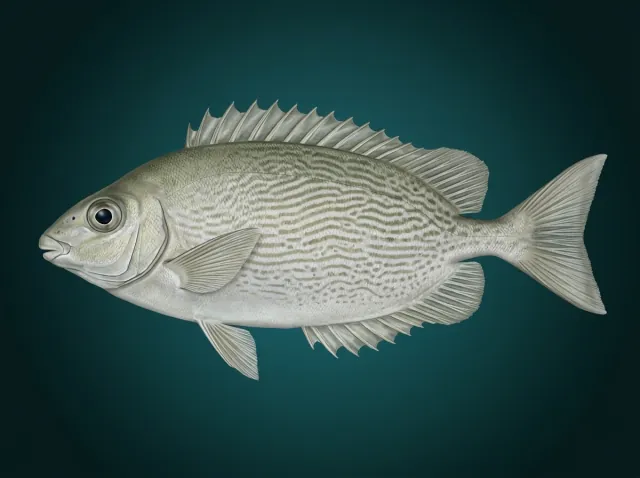
  • Rivulated Rabbitfishoften
    Άσπρη αγριόσαλπα
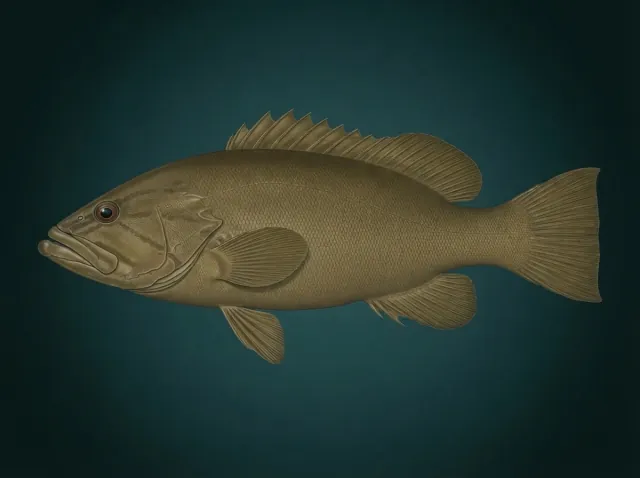
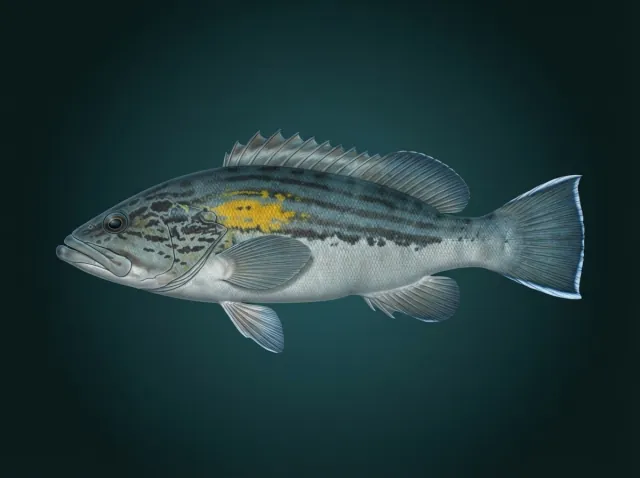
  • Goldblotch grouperoften
    στείρα
    min 150 g
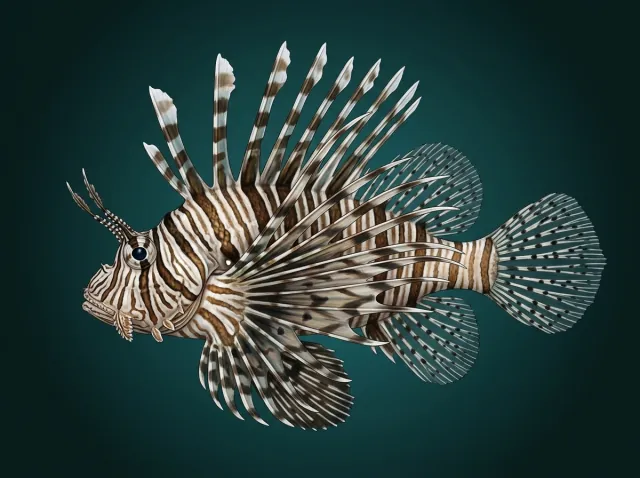
  • Indian Lionfishoften
    Λιονταρόψαρο
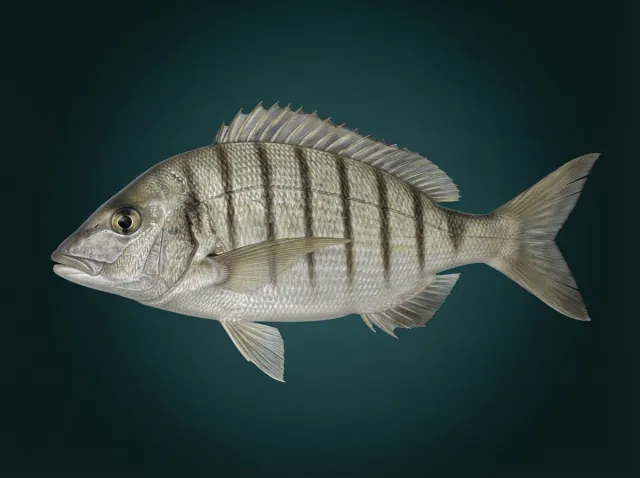
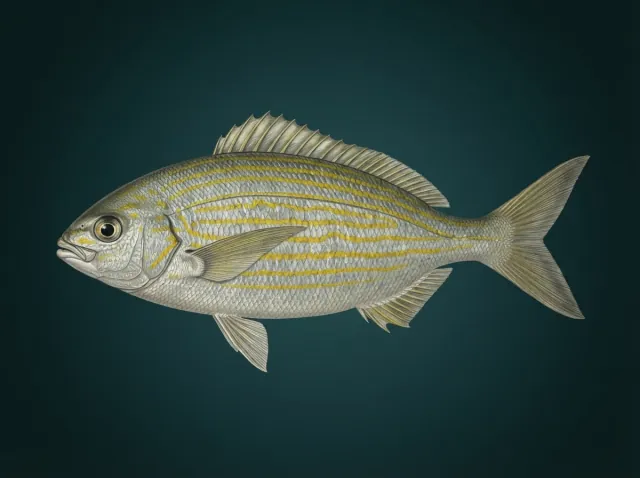
  • Striped seabreamoften
    μουρμούρα
    min 150 g
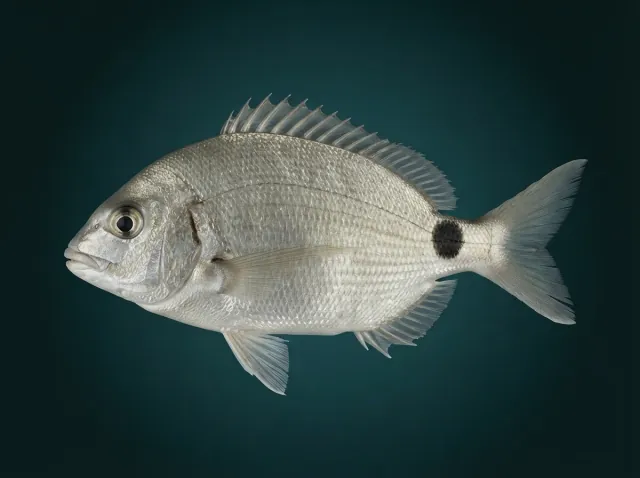
  • White seabreamoften
    σαργός
    min 150 g
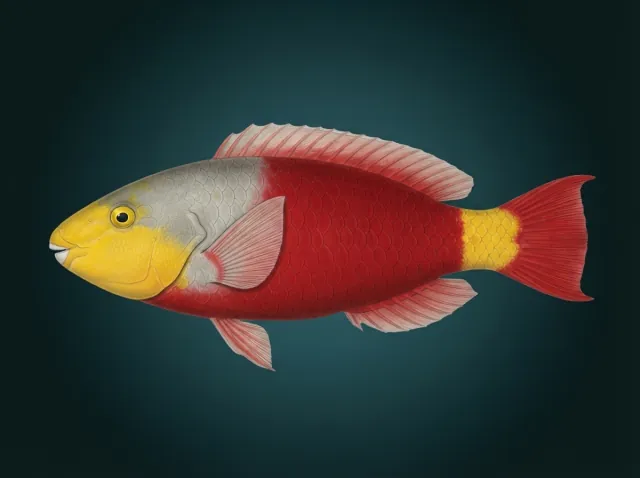
  • European Parrotfishoften
    Σκάρος
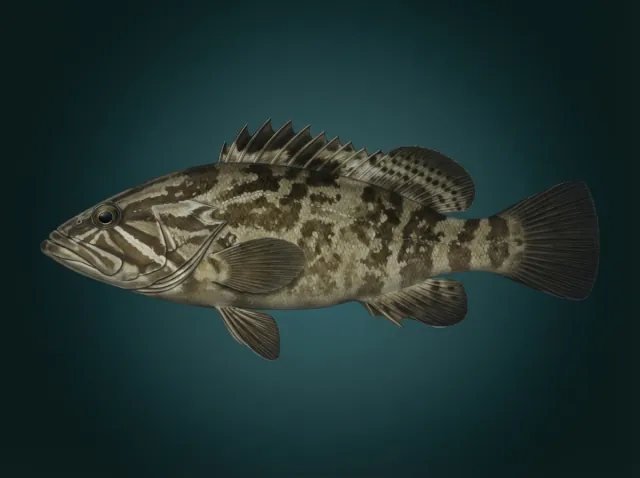
  • Mottled grouperoften
    ροφός βασιλικός
  • White grouperoften
    σφυρίδα
    min 150 g
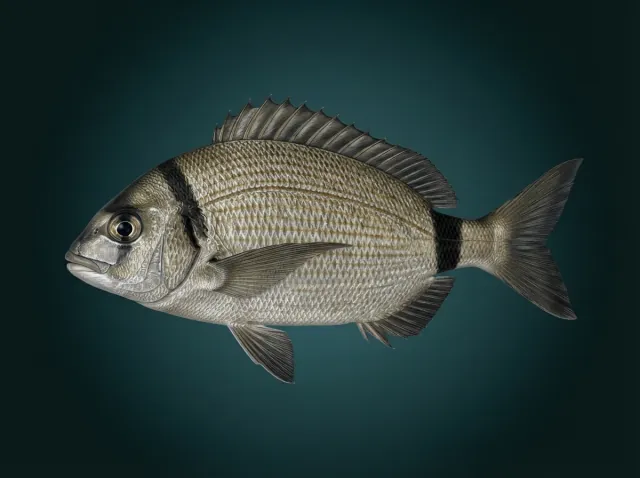
  • Two-banded seabreamoften
    καμπανάς
    min 150 g
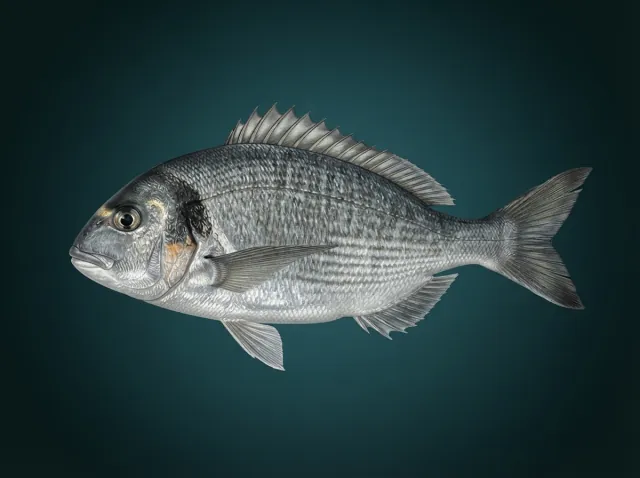
  • Gilthead breamoften
    τσιπούρα
    min 150 g
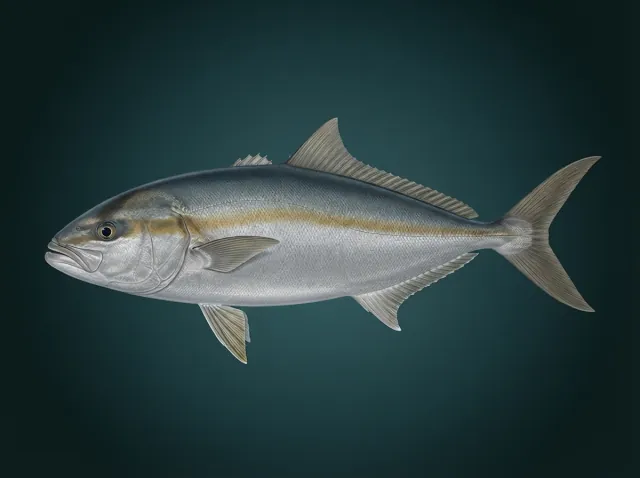
  • Greater amberjackoften
    μαγιάτικο
    min 150 g
  • Salemasometimes
    σάλπα
    min 150 g
All species (260) — in the app

One morning glance — and you know.

Google Play — QR code
point your camera
≈

Surfacing

Cameras, map and reference — to hand as you come up.

Live cameras, map & reference
Cameras · live

Look at the water
right now.

Check the cam BEFORE you leave. Foam, brown/green murk, or waves washing the entry rocks = No-go. At night/in fog the cam is useless — treat it as «unknown», NOT «green».

connecting to the stream…
● LIVE↗
Tinos — Tinos port, ferries (YouTube live)YouTube live — Tinos port, ferries. Embeddable under YouTube's terms (owner left embedding on). Read the water before you go.camera: youtube ↗
Open the seafloor map →
Reference

What's in season,
what the law says.

National minimum sizes + a 150 g floor (in the table below); grouper 1/day. Spearfishing is closed all May (ΠΔ 373/1985).

In season now
  • dusky grouper
    Epinephelus marginatus · 8–35 m · EU 1967/2006
    Grouper: max 1/day (shared genus-Epinephelus limit).
  • common dentex
    Dentex dentex · 12–40 m · min 150 g
    Premier reef target. No EU size — the 150 g minimum only. Ethical ≥40 cm (not law).
  • red porgy
    Pagrus pagrus · 15–40 m · EU 1967/2006
  • white seabream
    Diplodus sargus · 0–12 m · EU 1967/2006
  • saddled seabream
    Oblada melanura · 3–15 m · min 150 g
    No EU size — only the 150 g minimum applies.
  • greater amberjack
    Seriola dumerili · 5–30 m · min 150 g
    No EU size — only the 150 g minimum applies.
  • common octopus
    Octopus vulgaris · 0–15 m · weight ≥750 g
    Minimum by weight: ≥750 g (ΠΔ 62/2024). Don't take egg-bearing females.
  • white grouper
    Epinephelus aeneus · 15–45 m · EU 1967/2006
    Grouper: max 1/day (shared genus-Epinephelus limit).
  • goldblotch grouper
    Epinephelus costae · 10–35 m · EU 1967/2006
    Grouper: max 1/day (shared genus-Epinephelus limit).
  • wreckfish / stone bass
    Polyprion americanus · 30–60 m · EU 1967/2006
    Deep wreck species. Does NOT count toward the grouper limit (different genus). 45 cm — to verify.
  • Mediterranean barracuda
    Sphyraena viridensis · 3–25 m · min 150 g
    No EU size — the 150 g minimum only. Histamine: bleed and chill at once.
  • Mediterranean parrotfish
    Sparisoma cretense · 2–20 m · min 150 g
    Eastern-Med delicacy (Crete/Dodecanese). No EU size — the 150 g minimum only.
  • striped seabream
    Lithognathus mormyrus · 2–15 m · EU 1967/2006
  • brown meagre / corb
    Sciaena umbra · 5–30 m · EU 1967/2006
  • striped red mullet
    Mullus surmuletus · 3–30 m · EU 1967/2006
  • devil firefish (lionfish)
    Pterois miles · 5–40 m · invasive
    ⚠️ Invasive — removal encouraged, excellent flesh. Venomous spines: never grab bare-handed, cut the spines, treat a sting with hot water (>45 °C).
  • silver-cheeked toadfish
    Lagocephalus sceleratus · 5–40 m · invasive
    ☠️ Invasive — kill, but DO NOT EAT: deadly toxin (TTX). Sale banned (Reg. 853/2004, Annex III Sect. VIII Ch. V(E)). Powerful beak bites — never string it live on a stringer.
  • rabbitfish
    Siganus rivulatus / luridus · 2–20 m · invasive
    Invasive — removal encouraged, edible and tasty. Venomous dorsal/anal/pelvic spines — remove carefully, treat a sting with hot water.
  • gilthead seabream
    Sparus aurata · 2–20 m · EU 1967/2006
  • European seabass
    Dicentrarchus labrax · 0–15 m · EU 1967/2006
  • leerfish / garrick
    Lichia amia · 2–20 m · min 150 g
    No EU size — only the 150 g minimum applies.
  • flathead grey mullet
    Mugil cephalus · 0–8 m · min 150 g
    No EU size — only the 150 g minimum applies.
Law
  • ⛔ Pinna nobilis (πίννα, fan mussel) — full ban on taking/killing (Habitats Dir. 92/43 Annex IV; critically endangered).
  • ⛔ Corals and sponges — recreational taking PROHIBITED (ΠΔ 373/85, art. 1§6).
  • ⛔ Mediterranean monk seal (Monachus monachus) — strictly protected, keep your distance.
  • ⛔ Sea turtles (Caretta caretta, Chelonia mydas) — protected, taking/disturbing is PROHIBITED.
  • ⛔ Seahorses (Hippocampus) — protected.
Safety protocol
  • Sets: watch the wave trains ≥15 min before entering; Hmax ≈ 2×Hs, the wash can run 50 m past the foam line. A lull >10 min with period >12 s = a big set «overdue», do NOT enter; enter right after a full set passes and re-check at minute 30.
  • Exit FIRST: find your exit AND a backup before entering. On a rocky/boulder shore a 0.5 m rise in swell can make the exit impossible — getting pinned/unable to climb out is the main killer.
  • Headland rip: prominent points often have a permanent topographic rip regardless of the model — locate it, enter/exit on the windward side, never swim against it.
  • Cold: wetsuit per the SST chip; the first shiver = a metabolic surge and a drop in breath-hold → get out at the first steady shiver. Cap the session at 45–60 min below 15 °C.
  • Solo discipline: buoy up; tell someone the spot and exit time; conservative breath-hold (never push it in cold/murky/surfy water); visibility <3 m — don't enter.
  • Afternoon wind: on many coasts the wind builds from midday — plan to be out of the water by midday; the chop builds — get out.
  • UV 11:00–15:00 (UVI ≥6): sunscreen and cover up on the surface interval.
  • Solo is a fundamental risk (hypoxic blackout with no buddy). Any doubt = No-go.

FAQ — spearfishing in Tinos

Where can I spearfish in Tinos?

Tinos has rock entry points such as Agios Romanos, Kionia and Agios Fokas. Wind-hammered granite coast; superb clear water in the lee. Below you'll find each spot (access, shelter and hazards) and today's forecast.

When is the best season in Tinos?

June to October (May closed nationally), but July–August bring the meltemi — the north wind that can shut the exposed sides for days; dive the lee. Right now Spearo's AI forecast for Tinos shows the first good day of the coming week on Monday, November 16, with visibility around 6 m, waves of 0.2 m, wind at 9 km/h and water at 19 °C.

How cold is the water in Tinos?

Some of the clearest, deepest water in the Aegean — bright blue, tideless, 15–30 m visibility; but wind-chopped when the meltemi runs. Spearo's AI forecast puts the water temperature at Tinos at 19 °C today, between 18 and 19 °C over the next 7 days. Today: visibility around 3 m and waves of 1.1 m.

Is Tinos good for a beginner?

Intermediate to advanced: gorgeous water but real wind exposure and deep, open dives — respect the meltemi and pick the sheltered island side. Today in Tinos Spearo's AI forecast shows visibility around 3 m, waves of 1.1 m and wind at 22 km/h; the 7-day table above rates each day as good, marginal or poor.

Do I need a licence in Tinos?

No paid licence is needed in Tinos — the amateur one was abolished (Law 4256/2014), but a free ΟΣΠΑ registration is being introduced (check gov.gr). Breath-hold only (no scuba), a mandatory «Υ.Δ.» buoy, 16+, daytime only, and the whole of May is closed. See the guide.

Which fish can you spear in Tinos?

The species cards list 22 species with real presence in this basin; the strongest here are dusky grouper, common dentex, red porgy, white seabream, saddled seabream and greater amberjack. Minimum sizes in Greece are NATIONAL, not local: dusky grouper 45 cm · red porgy 18 cm · white seabream 23 cm · white grouper 45 cm · goldblotch grouper 45 cm · wreckfish / stone bass 45 cm · striped seabream 20 cm · common octopus 750 g. Species with no EU size carry the 150 g floor only. Grouper (Epinephelus) — max 1/day, not banned (ΠΔ 373/85, art. 2§2).

Is spearfishing banned in May in Tinos?

Yes. May is a TOTAL spearfishing ban for the whole month, every year, across Greece (ΠΔ 373/1985, art. 3§1α) — so in Tinos too. It is law in force, not a draft, and there is no local exemption. Plan June to April.

How many kilos of fish may I keep per day in Tinos?

The daily limit is 5 kg, or one trophy heavier than the limit (ΠΔ 373/85, art. 2§2). Grouper (Epinephelus) — max 1/day. Every fish must be at least 150 g (art. 3§2στ), and selling a recreational catch is prohibited (art. 1§7). The limit is national — in Tinos it is the same as everywhere in Greece.

Can I spearfish on scuba in Tinos?

No. Freediving only: scuba and any air-supply apparatus are banned — they may not even be carried aboard (ΠΔ 373/85, art. 3§2γ). In Tinos the rest of the national frame applies too: 16+, daytime only, ≥200 m from bathers, harbours, moored vessels and marked nets, and a mandatory «Υ.Δ.» buoy you stay within 50 m of. Pneumatic and band guns are allowed; only powerheads are banned.

Full guide: spearfishing in Greece →
Coming soon

Get the go / no-go verdict for Tinos by email

Leave your email — and the moment a window opens at Tinos, we'll send the go / no-go verdict. Email is all we need.

Optional: city, channel, phone
What to send
Where to send it
More spots

Spots in Greece

All 83 spots → · spearo.app — All countries

Feedback

Help us make it better

What's missing? Tell us what you'd like to see — new spots, species, data or features. We read everything.